🚀 Welcome to the official Bubu community!

Creative portrait · real conservation data

Bubu and the
mountain gorilla

An immersive visual experience exposing the real impact of the Ebola virus on the Gorilla gorilla and its ecosystem between Gabon and the Republic of Congo.
Pumpfundme Architecture

Developer Note: To bridge blockchain transparency with fiat donations, I have created a unique hybrid architecture.

We have algorithmically linked a decentralized pumpfundme to our official GoFundMe campaign. Each donation to the crypto pool is strategically liquidated to fund fiat objectives, ensuring the money goes entirely to preserving Bubu's habitat.

Support on Official GoFundMe
Gabon & Rep. of Congo · Ebola Zaire Impact
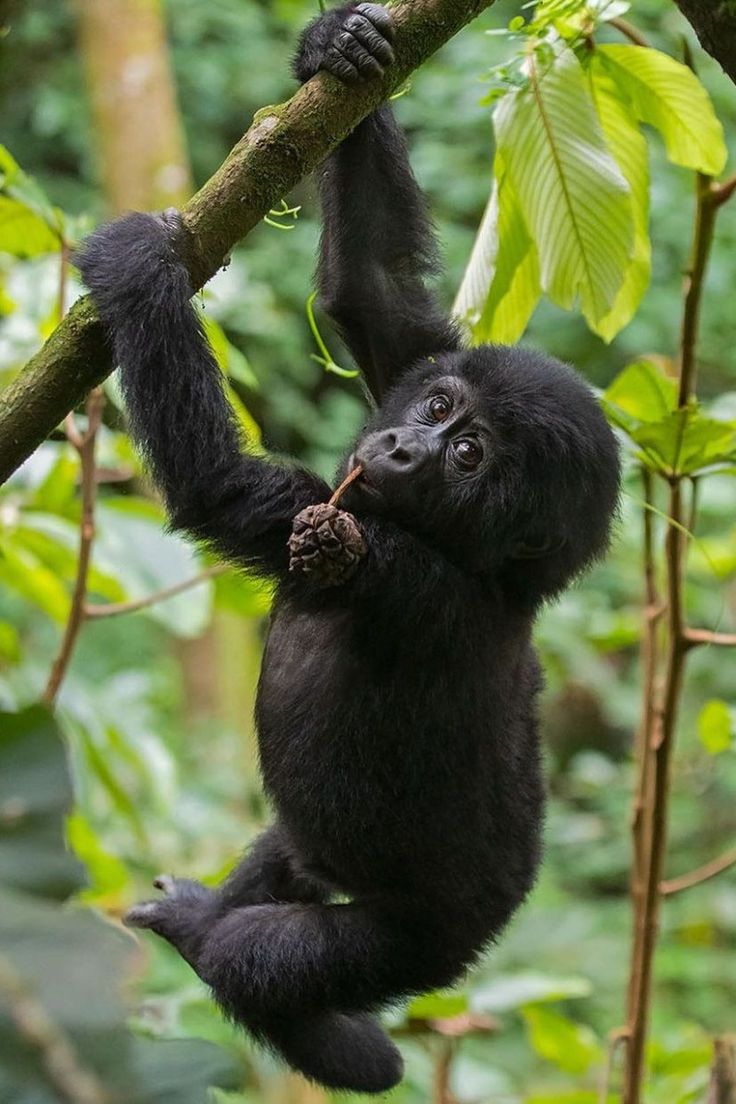
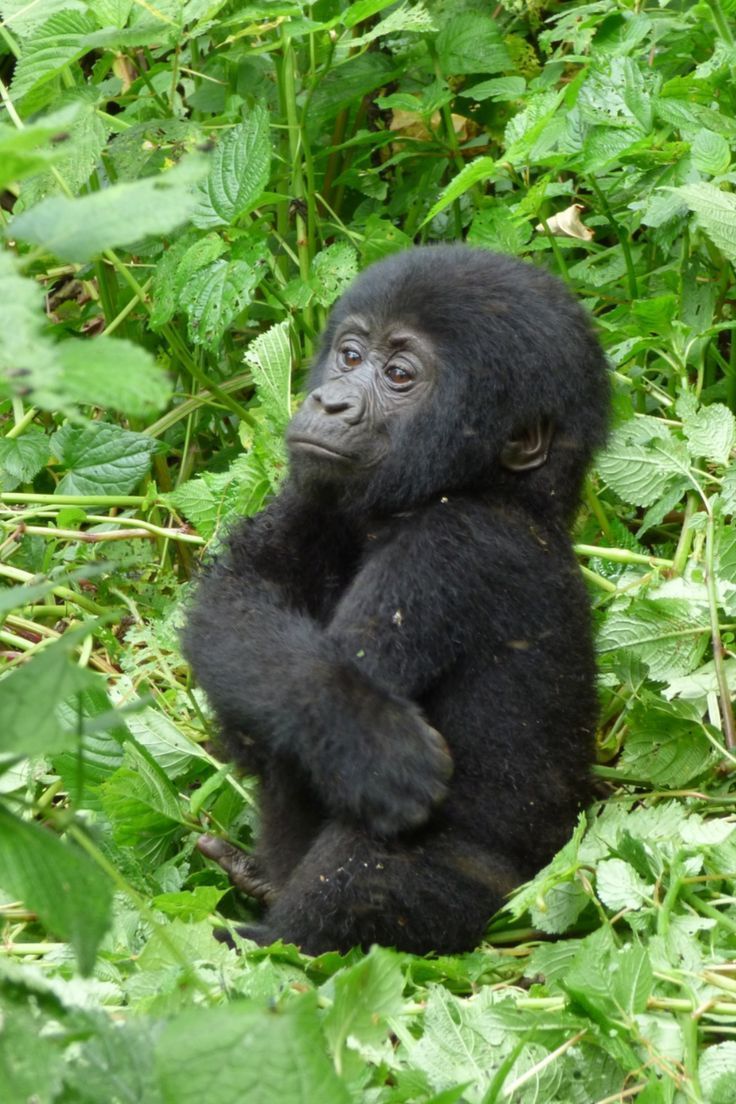
Bubu resting among green leaves OUR AMBASSADOR Bubu is the digital face of this initiative. His mission is to highlight the ecological emergency facing mountain gorillas in Central Africa.
Holotype profile

This is Bubu.

“A patient observer with the body of a brachiator and the manual repertoire of a specialist.”

The adult male was seen solving a leathery pod through a coordinated sequence: foot fixation, alternating hand traction, canines as a wedge, and wrist rotation. For the team, that scene changed the scale of the discovery.

IdentifierField holotype “Bubu”
First sightingSolitary foraging · 2,850 masl
Distinctive traitBanded dorsal iridescence
Notable behaviorCautious curiosity towards camera traps

Transparency & FAQ

Why should I donate?
Every financial contribution becomes immediate action on the ground. Your donation funds rapid response teams, biosecurity filters, and constant monitoring to prevent lethal outbreaks (like Zaire ebolavirus) from wiping out lowland gorilla families.
What exactly am I helping?
You help fund "active monitoring". This includes deploying GPS trackers, camera traps in the Congo basin, supplying airtight equipment for researchers, and vital education programs so local communities do not handle infected wildlife.
Where do the funds go?
Fiat funds (GoFundMe) and those liquidated from the pumpfundme go directly to wildlife committees and verified institutions operating in critical areas like Odzala National Park and the Lossi Gorilla Sanctuary (Republic of Congo and Gabon).
How do I know the platform is secure?
Our architecture does not store private keys or process fiat payments on our servers; we delegate fiat processing to GoFundMe, an industry leader, while the smart contract of our pumpfundme is public and auditable. You are in control.
How do I know funds are allocated correctly?
The blockchain doesn't lie. We maintain an immutable public ledger. You can verify in real-time via block explorers how funds deposited in the crypto vault are periodically extracted for the sole purpose of adding to the transparent official GoFundMe goal.
84%Human lethality (Ebola Zaire)
98Recovered carcasses
50Deceased gorillas in the region
10Average days to decompose
Kahuzi-Biega National Park
Real habitat

Mist, forest and invisible threat.

The dense high-mountain forest ecosystem is an extremely fragile environment against the spread of human pathogens, severely affecting gorilla populations in key Central African reserves.

  1. Democratic Republic of the CongoHuman proximity severely threatens fundamental protected areas, directly impacting vital sanctuaries such as Kahuzi-Biega National Park and the Virunga Massif.
  2. Veterinary Monitoring and PreventionRanger and veterinary teams monitor habituated gorilla families to detect symptoms of human respiratory syncytial virus (HRSV) early and intervene medically.
  3. Silent TransmissionSharing 98.3% of our DNA, human viruses are introduced invisibly and spread lethally through the highly cohesive family networks of great apes.
Real taxonomy

A highly vulnerable great ape.

Great ape populations, specifically chimpanzees (Pan troglodytes) and gorillas (Gorilla gorilla), accounted for 66.3% of the total recorded animal deaths during the outbreak peaks.
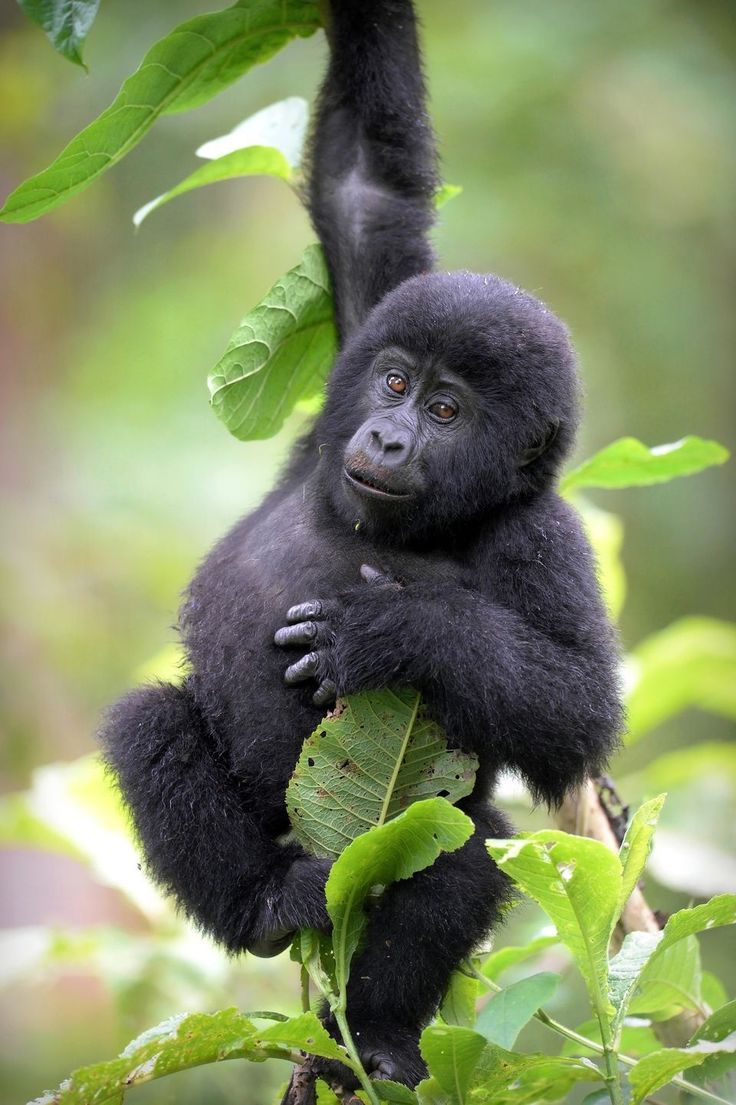
Bubu attached to a branch among cloud forest leaves
Creative portraitBubu's stripes are a visual resource; they are not part of the real mountain gorilla's coat.
02 · Prevention

Biological prediction

Epizootic outbreaks in wildlife demonstrably began before each of the five documented human outbreaks.

Hominidae

Taxonomic family of great apes, severely depleted by the virus.

AMMN

Comprehensive network formed alongside Ministries of Health and wildlife organizations.

10Days of decomposition
Terrain Difficulties

Time, temperature, and biodegradation.

High-risk necropsies on these animals required airtight suits with air filtration equipment to prevent new infections among researchers.

10 d.An adult male (~150kg) takes only 10 days to decompose.
5-10 d.Insects consume muscle tissue in less than two weeks.
20 k. km²Approximate total area covered by field recovery teams.
Behavioral Ecology and Transmission

A social network that is too cohesive.

“Repeated contacts between young individuals and their mothers are a significant risk factor for transmission.”Rouquet et al., 2005
01 / DENSITY

Risk concentration

The high population density of gorillas in this region (up to 10 individuals/km²) could have facilitated and amplified the rapid spread of the epizootic.

02 / INTERACTION

Intra-species contact

Although the virus jumps from a natural host, group cohesion and troop interaction (fights, social grooming) exacerbated contagion among individuals.

03 / CONSEQUENCES

Group dissolution

If the dominant silverback male is affected and dies quickly, possibly infected females are forced to integrate into another group.

Historical Health Alert

The documented origin of the crisis.

Investigations showed that every single initial human infection came from a specific point in the jungle.

Contact transmission

All human outbreaks (2001-2003) in the area stemmed directly from the handling or hunting of infected wild animal carcasses.

Two major lethal peaks

Two clear peaks in ape mortality were recorded: Ekata (Nov-Dec 2001) and Lossi Gorilla Sanctuary (Dec 2002 - Feb 2003).

Hunting and local ignorance

It became essential to educate local populations about the extremely high risk of interacting with animal carcasses or using their meat.

Join the plan
313Documented human Ebola cases in the period.
Animal Monitoring Network

The medical response strategy.

01

Centralized Network

Health data was centralized in the Viral Hemorrhagic Fever Committee (VHFC) with support from CIRMF for reliable diagnostics.

02

Forest Allies

Organizations already working there (ECOFAC, WCS, WWF) used GPS trackers to locate and report findings.

03

Early Warning

The network managed to detect infected carcasses in Kéllé almost three weeks before the epidemic broke out in the human population.

04

Extreme Logistics

Inaccessible roads required light aircraft flights and maximum security laboratories operating remotely.

Dossier readings

The archive behind the story.

Linked references accompanying the provided document. Maintained as context material and validation of the health and biological crisis experienced in the area.

View Mortality Study (2001-2003)
BIBLIOGRAPHY

Sources supporting the biological impact and conservation axes detailed in the report.

  1. World Wildlife Fund (WWF) – Mountain Gorillas: Rising From the Brink of Extinction.
  2. World Wildlife Fund (WWF) – Mountain Gorillas and Climate Change.
  3. World Wildlife Fund (WWF) – Gorilla Facts and Threats.
  4. World Wildlife Fund (WWF) – Gorillas.
  5. Robbins, M. M., et al. (2014). Respiratory disease in mountain gorillas in Rwanda, 1990–2010.
  6. Grützmacher, K., et al. (2020). Human Respiratory Syncytial Virus Detected in Mountain Gorilla Respiratory Outbreaks.
  7. Masi, S., et al. (2021). Rapid transmission of respiratory infections within but not between mountain gorilla groups.
  8. Palacios, G., et al. (2011). Human Metapneumovirus Infection in Wild Mountain Gorillas, Rwanda.
  9. WHO (2024). Preventing zoonotic and zooanthroponotic disease transmission at wild great ape sites.
  10. IUCN (2018). Mountain gorilla moves from Critically Endangered to Endangered thanks to conservation action.
  11. WWF UK – Mountain Gorilla Fact Sheet (PDF).

Editorial transparency: Simia bubuensis and the specimen “Bubu” are maintained in this document as a creative narrative framework. However, the mortality data on Gorilla gorilla presented comes entirely from verified scientific literature on the Ebola crisis (2001-2003).

↑